

The Psychology of Chatbot Interactions: How to Create Engaging Conversations
In a world where technology and humanity intertwine more than ever before, chatbots have emerged as our digital confidants, guiding us through tasks, answering our questions, and sometimes, even telling us a joke or two. But have you ever wondered what makes a chatbot truly engaging? Just as a great conversation with a friend sparks joy and connection, a well-crafted chatbot interaction can elevate mundane tasks into delightful exchanges.
Welcome to the captivating realm of chatbot psychology, where understanding human emotions meets the art of conversation design. This article will explore the nuances of human-computer interaction, unveiling the secrets behind creating chatbots that don’t just deliver information but also resonate with users on a deeper level. From the warmth of a friendly greeting to the nuances of empathy, discover how to curate chatbot experiences that charm and engage, making each interaction not just a transaction, but a memorable connection. So, grab a virtual seat, and let’s dive into the fascinating world of chatbot conversations!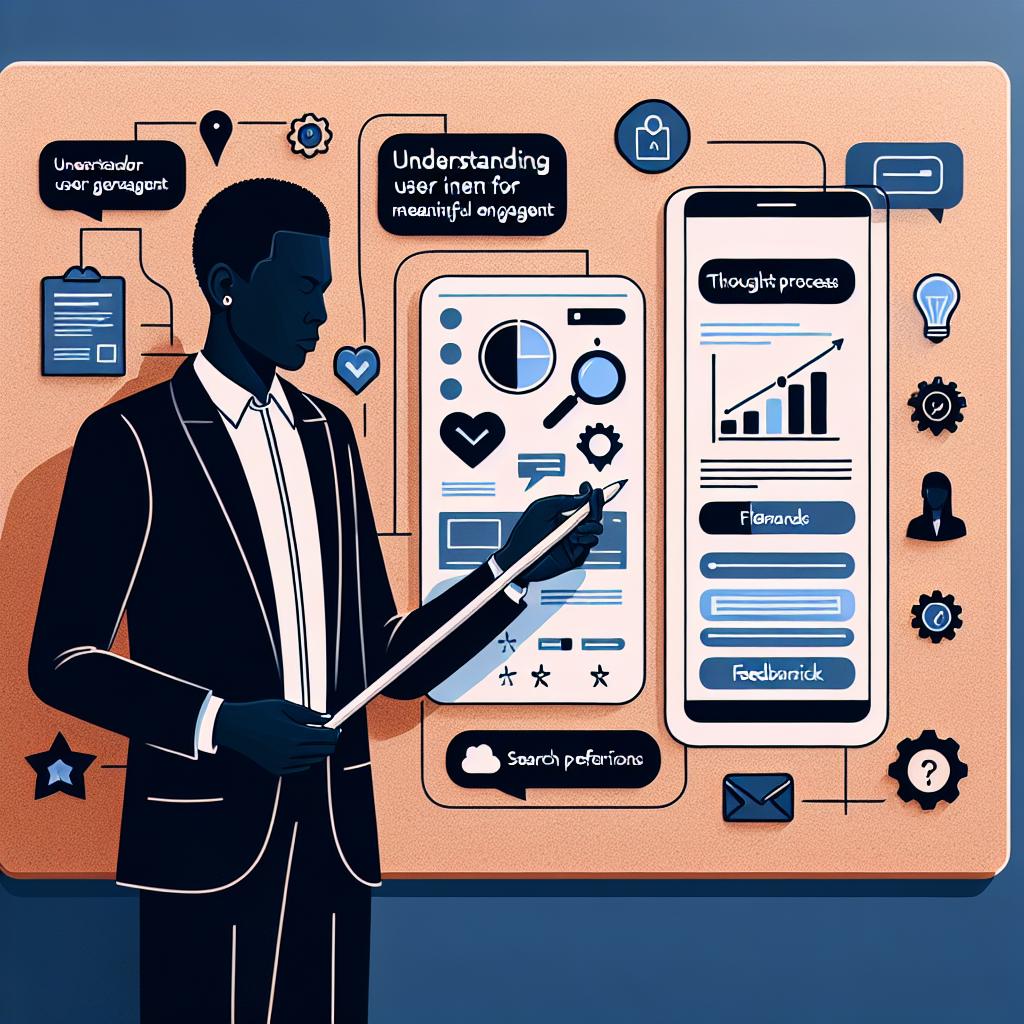
Understanding User Intent for Meaningful Engagement
To foster genuine connections through chatbot interactions, it’s crucial to delve deep into the psychology of user intent. Recognizing what users are truly seeking can transform a mundane exchange into a rich dialogue. Users come with varied motivations, such as resolving a query, seeking entertainment, or looking for product recommendations. By understanding these underlying needs, you can tailor responses that resonate, making the interaction more meaningful. The ability to anticipate user intent not only enhances satisfaction but also builds trust—paving the way for continued engagement.
Here are some effective strategies for grasping user intent:
- In-depth User Research: Analyze your audience to identify common patterns in their queries and interactions.
- Adaptive Learning: Implement AI-driven tools that evolve based on user feedback and behavior, refining responses over time.
- Contextual Awareness: Utilize user data from previous interactions to provide a personalized experience that reflects their specific needs.
Implementing these strategies can be streamlined with the following insights shown in the table below, which demonstrates different types of user intent and suggested chatbot response types:
| User Intent | Response Type |
|---|---|
| Information Seeking | Direct answers with additional resources |
| Support Request | Empathetic responses and troubleshooting steps |
| Product Discovery | Recommendations based on user preferences |
Crafting Personalities: The Art of a Relatable Chatbot
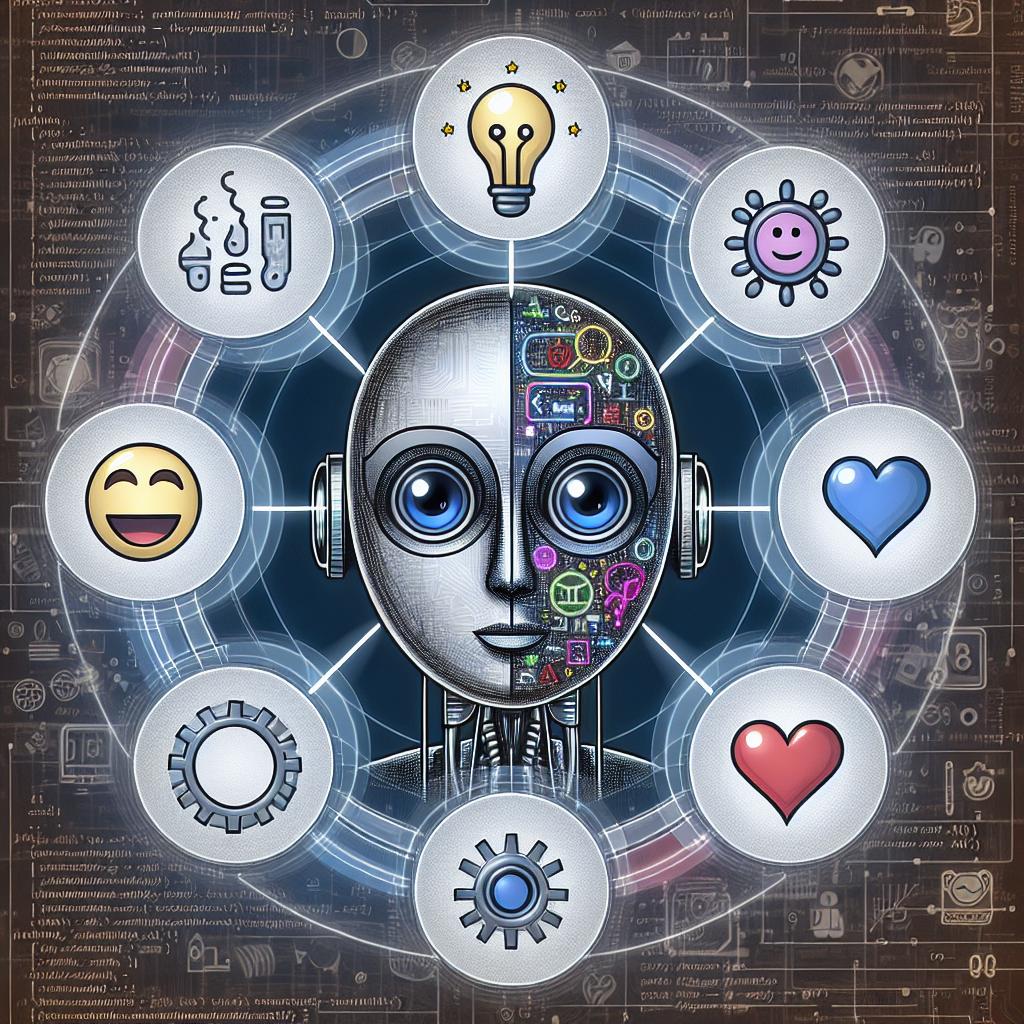
Creating a chatbot that feels relatable and engaging requires an understanding of human emotions and communication styles. A chatbot’s personality should reflect traits that users can connect with, which can be achieved by incorporating elements such as humor, empathy, and curiosity. By doing so, users are more likely to feel understood and appreciated, paving the way for more meaningful interactions. Additionally, recognizing user emotions and responding appropriately can foster a sense of companionship; for instance, using comforting language when a user expresses frustration or sadness can strengthen the connection and enhance user satisfaction.
It’s essential to develop a cohesive personality that aligns with the chatbot’s purpose and brand identity. This involves consistent tone and voice across various scenarios, whether it’s lighthearted banter or serious guidance. Below are some key traits to consider when designing your chatbot’s personality:
- Friendly: Use a conversational tone that feels approachable.
- Adaptive: Tailor responses based on user behavior and preferences.
- Playful: Incorporate light humor to make interactions enjoyable.
- Consistent: Maintain a steady tone across different conversations.
By focusing on these traits, you can create a chatbot that resonates with users on an emotional level, making interactions feel more personal and less mechanical. Here’s a simple table to summarize personality traits for your chatbot design:
| Trait | Description |
|---|---|
| Friendly | Engages users with a warm and inviting tone. |
| Empathetic | Understands and acknowledges user emotions. |
| Humorous | Adds lightness to conversations. |
| Informative | Provides helpful and accurate responses. |
Building Trust Through Transparency and Empathy
To foster strong relationships with users, it’s essential to embrace both transparency and empathy in chatbot interactions. By offering clear information about how the chatbot operates—including its limitations and capabilities—users feel more comfortable and less frustrated. Being open about data privacy practices also builds trust. For example, when a chatbot clearly states that personal data will not be stored or shared without consent, it reassures users and encourages them to engage without fear. This kind of honesty creates a safe space for dialogue.
Empathy goes a long way in enhancing user experience. Incorporating empathetic responses enables chatbots to connect on a deeper level. Consider these key components for adding empathy:
- Active Listening: Acknowledge user input by mirroring their language or sentiments.
- Personalization: Use the user’s name and tailor conversations based on previous interactions.
- Supportive Language: Implement phrases that convey understanding and validation of the user’s feelings.
When combined with transparency, these empathetic practices create an engaging atmosphere, making users feel valued and understood, which in turn leads to a more successful interaction.

Enhancing User Experience with Dynamic Feedback Loops
Dynamic feedback loops are essential in crafting engaging conversations with chatbots, leveraging the principles of psychology to keep users invested in their interactions. These loops create a responsive dialogue where the bot continuously adjusts its responses based on user input, making conversations feel more natural and personal. By incorporating elements such as real-time responses, user sentiment analysis, and contextual understanding, chatbots can foster a sense of connection. When users notice that their feedback prompts an immediate reaction or alteration in the conversation flow, they are likely to feel more involved and valued, which enhances their overall experience.
To effectively implement these feedback mechanisms, consider integrating features like interactive prompts and feedback buttons to gather user responses actively. This can be further supplemented by using personalized recommendations that resonate with user preferences. For a better understanding, here’s a simple table showcasing different feedback methods and their psychological impact:
| Feedback Method | Psychological Impact |
|---|---|
| Real-Time Suggestions | Enhances engagement through immediate relevance. |
| User Sentiment Responses | Builds trust and an emotional connection. |
| Contextual Adjustments | Increases satisfaction by aligning with user needs. |
By carefully designing these supportive structures within the chatbot’s framework, developers can create an environment where users not only feel heard but also excited to interact, significantly improving user retention and satisfaction.
Final Thoughts
As we wrap up our exploration into the fascinating world of chatbot interactions, it’s clear that our digital companions have the potential to transform not just how we communicate, but how we connect. By weaving together principles of psychology with innovative technology, we can craft conversations that are not only engaging but also meaningful.
So, the next time you find yourself crafting dialogue for a chatbot, remember: it’s not just code and algorithms; it’s an opportunity to foster genuine connections, inspire curiosity, and maybe even brighten someone’s day. As you embark on this journey, keep in mind that every interaction is a chance to learn and grow—not just for your chatbot, but for the users it serves.
Thank you for diving into the psychology of chatbot interactions with us! Here’s to creating conversations that spark joy, engagement, and a little bit of magic in our everyday digital experiences. Happy chatting!